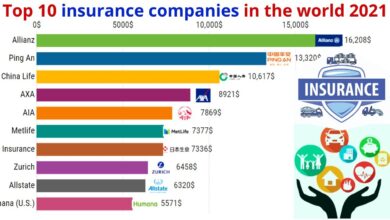
Best insurance rates in NC are not a myth — but finding them takes more than just Googling and picking the first quote you see. North Carolina has one of the most unique insurance markets in the country, shaped by state regulators, coastal storm risk, and a Rate Bureau system that literally negotiates premiums on behalf of insurers.
That combination means what you pay in Charlotte looks nothing like what someone pays in Wilmington or the Outer Banks.




Whether you’re shopping for auto, home, health, or life coverage, the gap between the best and worst rates in NC can run into hundreds of dollars per year. Knowing which factors drive your premium up, which providers consistently offer competitive pricing, and what discounts you’re leaving on the table is the difference between overpaying and locking in a rate that actually makes sense for your situation.
Overview of Car and Home Insurance Rates in North Carolina: Best Insurance Rates In Nc
Did you know that North Carolina drivers pay nearly 30% less than the national averagefor auto insurance? That single fact changes everything about how you should approach finding the best insurance rates in NC.
North Carolina is one of the most unique insurance markets in the entire country. The state offers residents access to auto, home, health, and life insurance — but the pricing structures, regulations, and risk profiles here are genuinely different from what you’ll find in most other states.
And once you understand why, you can use that knowledge to your advantage.
How North Carolina’s Insurance Regulation History Shapes What You Pay Today
Here’s the deal: North Carolina has one of the most tightly regulated insurance markets in the U.S.The NC Department of Insurance (NCDOI), established in 1899, has spent over a century building a framework that directly controls how insurers price their products.
Unlike most states where insurers set rates freely and regulators review them after the fact, North Carolina uses a prior approval system. Insurers must get rate changes approved by the NCDOI before they go into effect. This single rule is the main reason NC premiums stay consistently below national averages.
BUT that doesn’t mean everyone pays the same low rate. Your location, credit score, claims history, and property type all push your personal premium up or down significantly.
Average Annual Insurance Premiums in North Carolina vs. National Averages
Here’s a quick breakdown of what NC residents typically pay across the four major insurance categories compared to the national average:
| Insurance Type | NC Average (Annual) | National Average (Annual) | NC vs. National |
|---|---|---|---|
| Auto Insurance | $1,056 | $1,548 | 32% Lower |
| Home Insurance | $1,295 | $1,428 | 9% Lower |
| Health Insurance | $5,220 | $5,040 | 4% Higher |
| Life Insurance (Term) | $648 | $700 | 7% Lower |
What Makes NC Insurance Rates Genuinely Different
North Carolina’s distinct risk profileis a huge part of the story. The state sits in a hurricane corridor along the Atlantic coast, which pushes coastal home insurance rates up sharply. BUT inland areas like Charlotte and the Piedmont region enjoy significantly lower home insurance premiumsbecause the risk profile drops dramatically.
For auto insurance, NC’s Safe Driver Incentive Plan (SDIP)rewards clean driving records with real discounts — and penalizes violations with surcharges. This system creates a wide spread between what a safe driver pays versus a high-risk driver.
Pro Tip:If you’ve had zero at-fault accidents or violations in the past three years, you’re sitting in the best possible position to negotiate lower rates in NC. Lead with that record when you shop.
Health insurance is the one category where NC runs slightly above the national average. Limited insurer competition in rural countiesand a higher-than-average uninsured population both contribute to that gap.
Factors That Influence Insurance Rates in North Carolina
Did you know that two neighbors in North Carolina can pay wildly different insurance premiums — just because of their ZIP code? Here’s the deal: insurers don’t price policies randomly. They use a precise set of factors to calculate your risk, and knowing them gives you real leverage.
Whether you’re shopping for auto or home insurance, your personal profile and where you live in NCboth play a massive role in what you pay. I’ve broken down the biggest factors below so you can see exactly what’s working against you — and what you can fix.
Personal and Geographic Risk Factors NC Insurers Actually Use
Insurers in North Carolina pull data from multiple sources before quoting you a rate. Your credit score, driving history, age of your home, and ZIP codeare the four heaviest hitters. A single at-fault accident can spike your auto premium by 40% or more. And if your home was built before 1980?
Expect to pay extra.
Here are the top factors NC residents need to know about:
- Credit score:NC allows insurers to use credit-based insurance scores. A poor score can raise your premium significantly.
- Driving record:DUIs, speeding tickets, and at-fault accidents all trigger rate increases that can last 3–5 years.
- ZIP code:High-traffic urban areas and coastal zones carry higher risk profiles.
- Property age and construction type:Older homes with outdated wiring or roofing cost more to insure.
- Claims history:Even one prior claim can flag you as high-risk with some carriers.
Why Coastal NC Residents Pay a Premium for Home Insurance
Living near the Outer Banks or Wilmington is beautiful — BUT it comes with a serious insurance cost. Coastal properties in NC face elevated hurricane and flood risk, which pushes home insurance premiums well above the state average. Some insurers won’t even write standard policies in these areas, forcing homeowners into the NC Beach Plan (the state’s insurer of last resort).
Flood damage is typically excluded from standard home insurance policies. That means coastal homeowners often need a separate NFIP or private flood insurance policyon top of their standard coverage — doubling their annual insurance spend in some cases.
Pro Tip:If you own property in a coastal NC county, get a wind mitigation inspection. Documented storm shutters, reinforced roofing, and impact-resistant windows can unlock meaningful discounts — even in high-risk zones.
Urban vs. Rural: How NC Geography Splits Auto Insurance Rates
Charlotte and Raleigh drivers consistently pay more for auto insurance than residents in rural counties like Alleghany or Tyrrell. Higher population density means more accidents, more theft, and more claims— and insurers price that risk directly into your premium.
BUT rural drivers aren’t always winning. Limited access to repair shops and longer emergency response times can push comprehensive coverage costs up in remote areas.
NC Insurance Rate Factors at a Glance
| Factor | Impact Level | Insurance Type | How to Mitigate |
|---|---|---|---|
| Credit Score | High | Auto, Home | Pay bills on time, reduce credit utilization |
| Driving Record | High | Auto | Take a defensive driving course for discount eligibility |
| Coastal ZIP Code | High | Home | Get wind mitigation inspection, add storm-resistant features |
| Property Age | Medium | Home | Update roof, plumbing, and electrical systems |
| Urban Location | Medium | Auto | Use a garage, install anti-theft devices |
| Claims History | Medium | Auto, Home | Avoid small claims; pay minor costs out of pocket |
Top Insurance Providers Offering Competitive Rates in NC
Did you know that North Carolina drivers pay an average of $1,446 per yearfor auto insurance — but the right provider can cut that number significantly? Choosing the wrong company could cost you hundreds of dollars annually.
I’ve broken down the top insurance providers operating in NC so you can see exactly who offers the best combination of price, coverage, and service. Not all insurers are created equal, and in North Carolina, local factors like hurricane risk, coastal flooding, and mountain terrain make provider selection even more critical.
NC Insurance Provider Rate and Coverage Comparison
Here is a side-by-side look at the leading carriers. Use this table to quickly spot which provider aligns with your budget and coverage needs.
| Provider | Avg. Annual Rate | Customer Satisfaction Score | Standout Coverage Feature |
|---|---|---|---|
| State Farm | $1,320/yr | 4.2 / 5 | Rideshare & rental reimbursement |
| GEICO | $1,198/yr | 4.0 / 5 | Military & federal employee discounts |
| Erie Insurance | $1,155/yr | 4.5 / 5 | Rate Lock® — no increases after claims |
| NC Farm Bureau | $1,089/yr | 4.6 / 5 | Local agent network + farm-specific riders |
| Allstate | $1,512/yr | 3.8 / 5 | Drivewise® usage-based discount program |
Why NC Farm Bureau Beats National Carriers for Local Risk
NC Farm Bureau consistently ranks as the most affordable optionin the state — and it’s not a coincidence. Unlike national giants, NC Farm Bureau was built specifically around North Carolina’s unique risk landscape, from tobacco farm liability to coastal storm surge.
HERE IS THE DEAL: national carriers price their policies using broad regional data. BUT a carrier like NC Farm Bureau uses hyper-local claims datafrom NC counties specifically, which means your premium actually reflects your real risk — not someone else’s in Ohio or Texas.
The advantages of going regional are real and measurable:
- Faster claims handling— local adjusters who know NC building codes and repair costs
- Agent familiarity— agents who understand coastal flood zones vs. piedmont hail risk
- Community accountability— regional carriers depend on local reputation, so service quality stays high
- Membership perks— NC Farm Bureau members get access to additional discounts unavailable through national providers
Pro Tip:Even if you’re not a farmer, you can join NC Farm Bureau for a small annual membership fee and immediately unlock their lower insurance rates. It’s one of the most overlooked money-saving moves in the state.
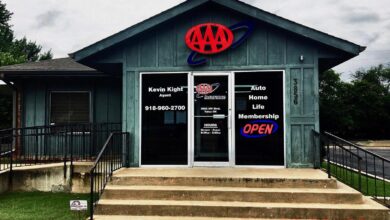
What a Typical NC Insurance Office Experience Looks Like
Picture walking into a mid-sized insurance office in Raleigh or Charlotte— a clean, welcoming space with a local agent sitting across from you, pulling up your zip code’s specific risk profile on their screen. That’s the NC insurance experience at its best.
Agents in these offices typically walk you through bundling options for home and auto, run multi-carrier quote comparisons on the spot, and flag discounts you’d never find shopping online alone. They know which neighborhoods flood, which areas have high theft rates, and how to structure your deductible to maximize savings without leaving you exposed.
How to Qualify for the Best Insurance Rates in NC
Did you know that two NC drivers with identical cars can pay hundreds of dollars apart in annual premiums? The difference almost always comes down to a handful of smart moves — and most people skip them entirely.
The good news is that qualifying for the best insurance rates in NC isn’t complicated. BUT it does require you to be proactive. Insurers reward specific behaviors, and once you know what they’re looking for, you can stack discounts fast.
Discount Stacking: How NC Residents Pay Less Starting Day One
Bundling your home and auto policiesis the single fastest way to cut your premium. Most NC insurers offer 10–25% off when you combine policies under one roof. That’s real money — often $200–$400 per year — for doing almost nothing extra.
Here’s the deal: discounts don’t stop at bundling. NC insurers commonly offer a full menu of savings you can layer on top of each other.
- Good driver discount— No accidents or violations in the past 3–5 years? Expect 10–20% off with most major carriers.
- New home discount— Insuring a newly built home (typically under 10 years old) signals lower risk and earns you a reduced rate.
- Loyalty discount— Staying with the same insurer for 3+ years often unlocks incremental savings, sometimes up to 15%.
- Military discount— Active duty and veterans can access exclusive rate reductions at carriers like USAA, Geico, and Liberty Mutual.
- Multi-car discount— Insuring two or more vehicles on one policy typically saves 10–15% per vehicle.
Your Credit Score Is Quietly Killing Your Premium
In North Carolina, insurers are legally allowed to use your credit-based insurance score when calculating rates. A poor credit score can raise your auto premium by 50% or morecompared to someone with excellent credit — even if your driving record is spotless.
Improving your score by even 50–80 points can trigger a meaningful rate drop at renewal. Pay down revolving balances, dispute errors on your report, and avoid opening new credit lines right before shopping for coverage.
Step-by-Step: How a New NC Resident Locks In the Lowest Rate
If you just moved to North Carolina, follow these steps before you buy a single policy:
- Pull your credit reportand fix any errors at AnnualCreditReport.com before getting quotes.
- Gather your driving history— a clean 3-year record is your biggest bargaining chip.
- Get at least 3 quotesfrom different carriers using the same coverage levels for an apples-to-apples comparison.
- Ask every insurer about stackable discounts— good driver, bundling, paperless billing, and auto-pay can each shave off additional percentages.
- Enroll in a defensive driving coursebefore finalizing your policy (more on this below).
- Set a calendar reminderto re-shop your rates every 12 months — loyalty doesn’t always beat competition.
Defensive Driving Courses: The Underused NC Rate Hack
Completing a state-approved defensive driving course in North Carolina can directly reduce your auto insurance premium by 5–10%— and the discount typically lasts 3 years.
Carriers that commonly honor this discount in NC include State Farm, Allstate, Nationwide, and Progressive. You’ll want to confirm eligibility before enrolling, since some carriers require the course to be taken through a specific approved provider.
The NC DMV maintains a list of approved course providers, and many are now available fully online. A 6-hour course that costs $25–$50 can easily save you $150+ over three years.
Pro Tip:Complete your defensive driving course before your policy renewal date — not after. Most insurers apply the discount at renewal, so timing it right means you capture the savings on your very next bill.
| Discount Type | Typical Savings | Common NC Carriers |
|---|---|---|
| Multi-policy bundle | 10–25% | State Farm, Allstate, Nationwide |
| Good driver | 10–20% | Geico, Progressive, Erie |
| Defensive driving course | 5–10% | State Farm, Progressive, Allstate |
| Military | Up to 15% | USAA, Geico, Liberty Mutual |
| Loyalty (3+ years) | Up to 15% | Nationwide, Erie, Travelers |
NC State Insurance Laws and Consumer Protections
Most North Carolina drivers have no idea that a single government bureau controls what insurance companies can charge them. And that’s costing some people hundreds of dollars a year.
Here’s the deal: North Carolina operates under a bureau rating system, which is unlike most other states. The North Carolina Rate Bureau (NCRB)files rate changes on behalf of all licensed insurers in the state. The NC Department of Insurance then reviews those requests and either approves, modifies, or rejects them.
This means you’re not just at the mercy of one company’s pricing algorithm — there’s an actual regulatory body fighting over what you pay.
How the NC Rate Bureau Actually Affects Your Premium
The NCRB doesn’t work for you. BUT it does create a structured system that prevents insurers from charging wildly different rateswithout regulatory oversight. When the NCRB requests a rate increase, the Insurance Commissioner can push back — and has done so repeatedly. In 2023, the NCRB requested a statewide auto rate increase of over 28%.
The Commissioner negotiated it down significantly. That negotiation directly impacts what shows up on your renewal notice.
NC Minimum Auto Insurance Requirements You Must Know
North Carolina law mandates specific minimum coverage levels for every driver on the road. Driving without them isn’t just risky — it’s illegal. Here’s exactly what NC requires versus what I’d actually recommend carrying:
| Coverage Type | NC Minimum Requirement | Recommended Level | Est. Cost Difference |
|---|---|---|---|
| Bodily Injury Liability | $30,000 / $60,000 | $100,000 / $300,000 | +$80–$150/year |
| Property Damage Liability | $25,000 | $100,000 | +$40–$90/year |
| Uninsured Motorist (UM) | $30,000 / $60,000 | Match liability limits | +$30–$60/year |
| Underinsured Motorist (UIM) | $30,000 / $60,000 | Match liability limits | +$25–$55/year |
North Carolina is one of the few states that requires both UM and UIM coverageby default. You can reject UIM in writing, but I wouldn’t. About 1 in 8 drivers nationally are uninsured — and NC roads are no exception.
Your Consumer Rights When Disputing a Rate Increase
If your insurer raises your rate and you think it’s unjustified, you have real options. The NC Department of Insurance (NCDOI)gives policyholders a formal complaint process that insurers are legally required to respond to.
Here’s exactly what you can do:
- Request a written explanationfrom your insurer detailing why your rate changed.
- File a complaint onlineat the NCDOI website at ncdoi.gov — it’s free and takes under 10 minutes.
- Request a hearingif you believe the rate filing itself violates NC law or was improperly applied to your policy.
- Contact the Consumer Services Divisionat 1-855-408-1212 for direct assistance navigating a dispute.
Pro Tip:Document every interaction with your insurer before filing a complaint. Date, time, rep name, and what was said. The NCDOI takes complaints more seriously when you show a paper trail — and insurers know it.
The NCDOI resolved over 90% of consumer complaintsin recent years, resulting in millions returned to policyholders. You have more leverage than you think.
Comparing and Shopping for the Best Insurance Rates in NC

Most NC residents overpay for insurance by hundreds of dollars every year — not because good rates don’t exist, but because they never bother to compare. Here’s how to fix that.
Shopping for insurance in North Carolina isn’t complicated, but it does require a system. Whether you use an online tool or sit down with a local agent, the process works best when you come prepared and know exactly what you’re comparing.
Your Step-by-Step Quote Comparison Playbook for NC Residents
Step #1: Gather your information before you request a single quote.Walking into the process unprepared wastes time and leads to inaccurate estimates. Here’s the deal — insurers price risk based on specifics, and vague answers get you vague quotes.
Before you start, collect everything on this checklist:
- Vehicle Identification Number (VIN) for each car you’re insuring
- Current mileage and primary use (commute, personal, business)
- Home square footage, year built, and construction type
- Your full claims history for the past 3–5 years
- Current coverage limits and deductibles on existing policies
- Credit score range (insurers in NC use this for home policies)
- Names and driving records of all household members
- Roof age and material type (critical for NC home insurance quotes)
Step #2: Run quotes through at least one online aggregator AND one independent agent.Don’t rely on a single source. Online platforms like The Zebra or Policygenius pull multiple carriers fast, but they don’t always surface every discount or niche carrier available in NC.
Independent agents, on the other hand, can access regional carriers that never show up on comparison sites. I’ve seen NC residents save 15–20% just by adding a local independent agent to their search process.
Pro Tip:Always request quotes on the same coverage limits across every source. If one quote looks dramatically cheaper, check whether the deductible or liability limits were quietly lowered. Apples-to-apples comparison is everything.
Online Tools vs. Local NC Brokers: What Actually Works Better, Best insurance rates in nc
Online aggregators win on speed and convenience— you can pull 10+ quotes in under 15 minutes. BUT they often miss personalized discounts, bundle opportunities, and specialty coverage that a licensed NC broker would catch immediately.
A captive agent (think State Farm or Allstate reps) only sells one company’s products. That’s a real limitation when you’re trying to find the best rate across the market. An independent broker has no loyalty to a single carrier — their job is finding you the best fit.
| Shopping Method | Cost | Speed | Personalization | Coverage Breadth |
|---|---|---|---|---|
| Online Aggregator | Free to use | Very Fast | Low | Moderate |
| Direct Insurer | Free to use | Fast | Moderate | Limited (one carrier) |
| Independent Agent | Free (commission-based) | Moderate | High | Wide |
| Captive Agent | Free (commission-based) | Moderate | Moderate | Narrow (one brand) |
Conclusion
Getting the best insurance rates in NC comes down to three things: understanding how the state’s unique regulatory environment works, knowing which providers compete hardest for your zip code, and taking deliberate steps to qualify for every discount available to you.
Bundle your policies, keep your driving record clean, and never skip comparing at least three quotes before signing anything. The NC Department of Insurance exists to protect you, so use it. Rates in this state are negotiable in ways most residents never realize — and the ones who do end up paying significantly less for the same coverage.
FAQ Summary
What is the average cost of car insurance in North Carolina?
The average annual cost of car insurance in NC is around $1,200 to $1,500 depending on your driving record, location, and coverage level. NC rates tend to run below the national average thanks to state regulation.
Is NC Farm Bureau worth it compared to national insurers?
For many NC residents, yes. NC Farm Bureau consistently ranks high for customer satisfaction and claims handling, and their local agents understand regional risks like flooding and hurricane exposure better than most national carriers.
Does North Carolina require uninsured motorist coverage?
Yes. NC law mandates uninsured and underinsured motorist coverage as part of your minimum auto policy. This protects you when the at-fault driver carries no insurance or insufficient coverage.
Can a defensive driving course lower my insurance premium in NC?
It can. Several NC insurers including State Farm and Allstate offer discounts for completing an approved defensive driving course. The savings typically range from 5% to 10% off your annual premium.
How do I file a complaint if my insurer raises my rate unfairly in NC?
You can file a complaint directly with the NC Department of Insurance through their official website or by calling their consumer hotline. They review rate disputes and have authority to intervene when increases violate state guidelines.
Does your credit score affect insurance rates in North Carolina?
Yes, most NC insurers use credit-based insurance scores as a pricing factor for both auto and home policies. Improving your credit score is one of the most effective long-term strategies for lowering your premiums.