3 small business insurance options can mean the difference between recovering from a disaster and closing your doors for good. Most small business owners think they’re covered — until they’re not. A single lawsuit, a fire, or a customer injury can wipe out years of hard work in a matter of weeks.
That’s not a scare tactic. That’s just the reality of running a business without the right protection in place.


The good news is that getting properly insured doesn’t have to be complicated or expensive. General Liability, Commercial Property, and a Business Owner’s Policy cover the vast majority of risks that small businesses face every day. Understanding what each one does, what it costs, and which one fits your situation is the first step toward building a business that can actually survive the unexpected.
What Is Small Business Insurance and Why It Matters
Did you know that 40% of small businesses never reopen after a major disaster? That single statistic should stop you cold — because most of those closures weren’t inevitable. They were preventable.
Small business insurance is a financial safety net that protects you from the kind of unexpected events that can wipe out everything you’ve built. We’re talking lawsuits, property damage, employee injuries, data breaches — the list goes on. Without the right coverage, a single bad day can become a permanent shutdown.But with it, you absorb the hit and keep moving.
The Real Risks Hiding Inside Your Business Every Day
Here’s the deal: most small business owners dramatically underestimate how exposed they actually are. You don’t need to be running a construction company to face serious risk. A customer slipping in your store, a fire destroying your equipment, or a disgruntled client filing a lawsuit — these scenarios happen to ordinary businesses every single day.
Take a look at the most common risks and what they can actually cost you:
| Risk Type | Potential Impact | Likelihood | Recommended Coverage |
|---|---|---|---|
| Customer injury on premises | Medical bills + legal fees up to $75,000+ | High | General Liability Insurance |
| Property damage (fire, theft, storm) | Equipment/inventory loss up to $500,000+ | Medium | Commercial Property Insurance |
| Employee workplace injury | Lost wages + medical costs up to $40,000+ | Medium-High | Workers’ Compensation Insurance |
| Data breach or cyberattack | Recovery + legal costs up to $200,000+ | Growing rapidly | Cyber Liability Insurance |
| Professional error or negligence claim | Lawsuit settlements up to $250,000+ | Medium | Professional Liability (E&O) Insurance |
Pro Tip:Don’t just look at likelihood — look at impact. A low-probability event with a $200,000 price tag is far more dangerous than a high-probability one that costs $Prioritize coverage based on worst-case scenarios, not average ones.
When Insurance Isn’t Optional — It’s the Law
I want to be direct with you here: carrying certain types of insurance isn’t just smart — it’s legally required in many cases.And ignoring this can cost you your business license, your contracts, or land you in serious legal trouble.
Here are the most common legal and contractual insurance requirements small businesses face:
- Workers’ Compensation:Required in almost every U.S. state the moment you hire your first employee. Penalties for non-compliance can include fines and personal liability for employee injuries.
- Commercial Auto Insurance:If you use any vehicle for business purposes, your personal auto policy won’t cover it. Most states mandate commercial coverage for business-use vehicles.
- Professional Liability Insurance:Many client contracts — especially in consulting, healthcare, and tech — require you to carry E&O coverage before they’ll even sign with you.
- General Liability Insurance:Landlords frequently require this before leasing commercial space. Some industry licenses also mandate it as a condition of operation.
- Surety Bonds:Contractors, cleaning companies, and other service businesses are often legally required to be bonded before they can operate in certain states or municipalities.
BUT here’s what most business owners miss: even when insurance isn’t legally mandated, it’s often contractually requiredby clients, vendors, or lenders. Skipping it doesn’t just expose you to risk — it can disqualify you from the deals that grow your business.
The 3 Most Essential Types of Small Business Insurance
Did you know that 40% of small businesses will face a property or liability claim within the next 10 years? Most owners never see it coming — and most aren’t covered when it does.
Here’s the deal: not all insurance is created equal. There are hundreds of policy types out there, but three of them form the foundation of any solid small business protection strategy. Get these right, and you’ve covered the vast majority of risks your business will ever face.
Breaking Down the Core Three: What Each Policy Actually Does
General Liability Insuranceis your first line of defense. It covers third-party bodily injury, property damage, and advertising injury claims. If a customer slips in your store or you accidentally damage a client’s equipment, this policy pays the legal fees and settlements so you don’t have to.
Commercial Property Insuranceprotects your physical assets — your building, equipment, inventory, and furniture. Whether it’s a fire, theft, or storm damage, this coverage ensures a single disaster doesn’t wipe out everything you’ve built.
Business Owner’s Policy (BOP)is where things get smart. A BOP bundles General Liability and Commercial Property into one package, typically at a lower combined cost than buying each separately. Insurers offer it at a discount because bundled clients are easier to manage — and you win too.
| Insurance Type | What It Covers | Who Needs It Most | Average Annual Cost |
|---|---|---|---|
| General Liability | Third-party injury, property damage, advertising claims | Retailers, contractors, service providers | $400 – $1,500 |
| Commercial Property | Buildings, equipment, inventory, furniture | Restaurants, manufacturers, brick-and-mortar shops | $500 – $3,000 |
| Business Owner’s Policy (BOP) | Liability + property + business interruption (bundled) | Most small businesses under $5M revenue | $500 – $2,500 |
Which Industries Benefit Most From Each Coverage Type
I’ve seen business owners waste money buying the wrong coverage for their industry. Here’s a quick breakdown of who gets the most value from each policy type.
General Liability works hardest for:
- Freelancers and consultants who work on client sites
- Retail stores with regular foot traffic
- Landscaping and cleaning service companies
- Event planners and photographers
Commercial Property is critical for:
- Restaurants and food service businesses with expensive equipment
- Auto repair shops and mechanics
- Manufacturers with heavy machinery and inventory
- Medical or dental offices with specialized tools
A BOP is the smart pick for:
- Small retail shops and boutiques
- Salons, spas, and wellness studios
- Accounting firms and real estate offices
- Any business with both physical assets and public-facing operations
Pro Tip:If your annual revenue is under $5 million and you own or lease a physical space, a BOP is almost always your most cost-effective starting point. You get broader coverage for less money — and you can always add specialized riders on top.
BUT here’s what most people miss: a BOP also typically includes business interruption insurance, which covers lost income if you’re forced to temporarily close. That alone can be the difference between surviving a disaster and shutting down permanently.
How to Choose the Right Small Business Insurance Plan
Most small business owners pick insurance the wrong way. They grab the cheapest policy, skip the fine print, and only discover the gaps when it’s too late to fix them.
The good news? Choosing the right plan isn’t complicated — if you follow a clear process. Here’s exactly how to do it without wasting money or leaving yourself exposed.
Step-by-Step Process for Evaluating Your Coverage Options
Don’t just call the first insurer you find on Google. A structured approach saves you thousandsand ensures you’re actually covered when something goes wrong.
- Step #1: Audit your risks.List every way your business could face a lawsuit, property damage, or revenue loss. A retail shop has different risks than a freelance consultant.
- Step #2: Research your state’s requirements.Some coverage — like workers’ comp — is legally mandatory depending on your location and headcount.
- Step #3: Set a realistic budget.Know what you can spend monthly before you start comparing quotes. This keeps you from over-insuring or under-insuring.
- Step #4: Get at least three quotes.Never accept the first offer. Premiums for identical coverage can vary by 40% or more across providers.
- Step #5: Read the exclusions, not just the coverage.The exclusions section tells you what the policy won’t cover — and that’s where most business owners get burned.
- Step #6: Review annually.Your business changes. Your insurance should too. A policy that fit year one may leave dangerous gaps by year three.
What Actually Drives Your Premium Up (or Down)
Insurance companies aren’t guessing when they set your rate. They’re calculating your risk profilebased on several hard factors you need to understand.
- Business size:More employees and higher revenue mean higher exposure — and higher premiums.
- Location:Operating in a flood zone or high-crime area raises your property and liability rates significantly.
- Industry:A roofing contractor pays far more than a bookkeeper. High-risk industries carry high-risk premiums.
- Claims history:Filed multiple claims in the past three years? Expect insurers to charge you a premium for that track record.
- Coverage limits and deductibles:Higher deductibles lower your monthly cost — but make sure you can actually afford that deductible if something happens.
Pro Tip:Bundling multiple policies with one insurer through a Business Owner’s Policy (BOP) can cut your total premium by 10–25% compared to buying each policy separately.
Broker vs. Direct Provider: Which Path Is Right for You
HERE’S THE DEAL — this decision alone can change both your coverage quality and your annual cost. Neither option is universally better.It depends entirely on your situation.
| Factor | Independent Broker | Direct Provider | Best For |
|---|---|---|---|
| Cost | May find lower rates by shopping multiple carriers | Eliminates broker fees | Broker for complex needs; Direct for simple policies |
| Choice | Access to dozens of insurers | Limited to one carrier’s products | Broker |
| Expertise | Advises across industries and policy types | Knows their own products deeply | Broker for niche industries |
| Speed | Slower — comparing multiple quotes takes time | Faster — one application, one decision | Direct Provider |
| Claims Support | Broker advocates on your behalf | You deal directly with the insurer | Broker |
Questions You Must Ask Before Signing Anything
Most agents won’t volunteer this information. BUT if you ask the right questions upfront, you eliminate nasty surprises later. Don’t sign until you have clear answers to all of these.
- What specific events or damages does this policy exclude?
- What is the claims process, and how long does a typical payout take?
- Does my coverage limit reset after a claim, or is it reduced?
- Are my subcontractors or part-time workers covered under this policy?
- What happens to my coverage if my revenue grows significantly this year?
- Is there a penalty for canceling or switching providers mid-term?
Cost Breakdown of Small Business Insurance: 3 Small Business Insurance
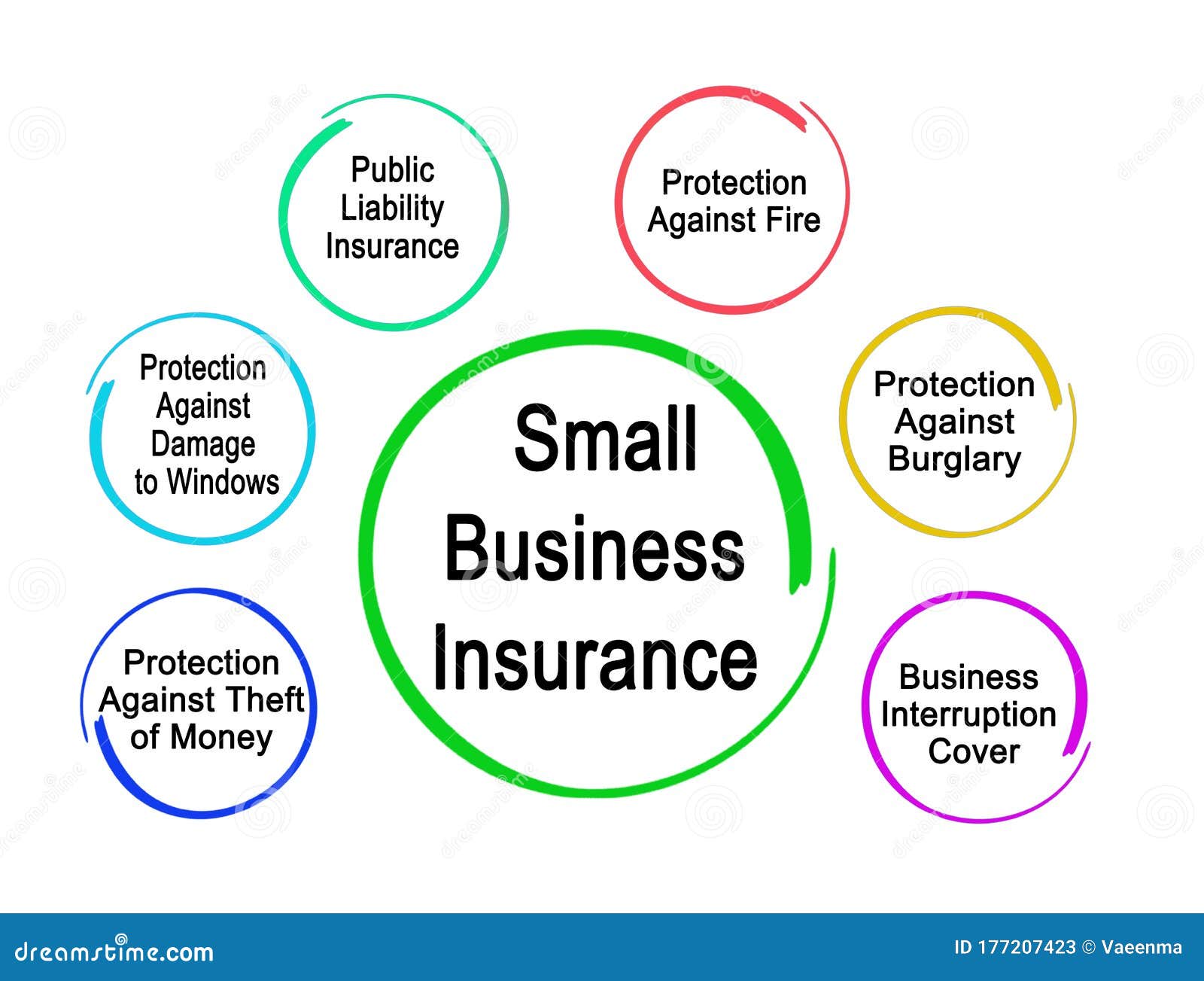
Did you know that 40% of small businesses never reopen after a major uninsured loss? Understanding what you’ll actually pay for coverage is the first step to making sure you’re not one of them.
Insurance costs vary wildly depending on your industry, size, and risk profile. But here’s the deal — most small business owners dramatically overestimate what good coverage costs, and that fear keeps them dangerously underprotected.
Average Insurance Costs by Industry
I’ve broken down real-world average costs across the most common small business sectors. Use this as your baseline when shopping for quotes.
| Industry | Coverage Type | Monthly Cost | Annual Cost |
|---|---|---|---|
| Retail | General Liability | $42 | $504 |
| Construction | General Liability + Workers’ Comp | $254 | $3,048 |
| Consulting / Freelance | Professional Liability (E&O) | $61 | $732 |
| Restaurant / Food Service | BOP (Bundled Policy) | $192 | $2,304 |
| Healthcare / Wellness | Professional Liability + General | $318 | $3,816 |
| Tech / SaaS | Cyber Liability + E&O | $145 | $1,740 |
| Cleaning Services | General Liability | $53 | $636 |
What Drives Your Premium Up or Down
Your premium isn’t random. Insurers calculate risk using a specific set of variables, and knowing these levers gives you real negotiating power.
The biggest factors that move your number include your annual revenue, number of employees, physical location, years in business, and your prior claims history. A single filed claim can raise your premium by 20–40% at renewal. That’s not a typo.
BUT here’s what most owners miss — your industry classification code(NAICS or SIC code) directly determines your base rate. If you’re miscategorized, you could be overpaying from day one. Always verify this with your broker.
Practical Ways to Lower Your Premiums Without Cutting Coverage
You don’t have to choose between affordability and protection. These strategies actually work:
- Bundle your policies— A Business Owner’s Policy (BOP) combines general liability and property insurance at a 10–15% discount versus buying separately.
- Raise your deductible— Increasing your deductible from $500 to $1,000 can cut your annual premium by up to 25%.
- Implement a safety program— Documented safety training reduces workers’ comp premiums significantly, especially in high-risk industries.
- Pay annually instead of monthly— Most insurers charge a 3–5% installment fee when you pay monthly. Pay upfront and pocket the savings.
- Shop quotes every renewal cycle— Loyalty rarely pays in insurance. Comparing 3+ quotes annually keeps carriers competitive on your account.
- Maintain a clean claims record— Reserve insurance for large, unavoidable losses. Frequent small claims signal high risk and spike your rates fast.
Pro Tip:Work with an independent broker, not a captive agent. Independent brokers access multiple carriers simultaneously and are legally obligated to find you the best fit — not just push one company’s products.
The Real Cost of Being Underinsured
Here’s the deal — underinsurance is often more financially devastating than no insurance at all, because you still pay premiums but get blindsided when a claim hits your coverage gap.
Imagine a fire destroys your retail shop. Your property policy covers $80,000 but replacement costs hit $140,000. That $60,000 gap comes directly out of your pocket— plus you’re still paying for the policy that failed you. Adequately insured businesses recover. Underinsured ones often don’t.
Real-World Scenarios Where Small Business Insurance Saves the Day
Did you know a single slip-and-fall lawsuit can cost a small business over $75,000? That’s enough to wipe out years of profit in one afternoon.
Insurance isn’t just paperwork you file and forget. It’s the difference between closing your doors permanently and walking away from a disaster with your business intact. Here are three real-world scenarios that prove exactly that.
Three Scenarios That Show Insurance Working in Real Life
These aren’t hypotheticals. These are the kinds of situations that happen to real small business owners every single weekacross the country.
| Scenario | Insurance Type Applied | Outcome Without Insurance | Outcome With Insurance |
|---|---|---|---|
| A customer slips on a wet floor inside a boutique clothing store and breaks their wrist. They sue for $60,000 in medical bills and lost wages. | General Liability Insurance | Owner pays $60,000+ out of pocket, drains savings, possibly closes the store. | Insurer covers legal fees and settlement. Owner pays only the deductible and keeps operating. |
| A kitchen fire destroys a bakery’s equipment, inventory, and storefront. Estimated damage: $85,000. | Commercial Property Insurance | Owner absorbs full replacement cost. Business shuts down permanently within months. | Policy covers equipment replacement and structural repairs. Bakery reopens within 8 weeks. |
| A pipe bursts overnight in a small bookstore, destroying inventory and forcing a 3-week closure during peak season. | Business Owner’s Policy (BOP) | Owner loses $40,000 in inventory plus $15,000 in lost revenue. No recovery path. | BOP covers property damage AND business interruption losses. Owner recovers fully. |
The Slip-and-Fall Moment: What It Actually Looks Like
Picture this. It’s a Tuesday afternoon. You own a small retail gift shop — warm lighting, wooden shelves lined with candles and handmade goods, a loyal stream of neighborhood regulars. A light rain has been falling all morning, and the entrance mat is soaked through.
Then it happens. A customer steps inside, her foot catches the edge of the wet mat, and she goes down hard. You hear the impact before you see it. Your stomach drops immediately.She’s holding her wrist, wincing. Other customers freeze.
You rush over, heart pounding, already running the math in your head — medical bills, a potential lawsuit, your lease renewal next month.
BUT here’s where liability coverage changes everything. You call your insurer that same day. They assign a claims adjuster, handle communication with the customer’s attorney, and cover the $52,000 settlementthat follows. You paid your deductible. That’s it.
Your shop is still open six months later.
Why Your Documentation Habits Determine Your Claims Outcome
Here’s the deal — even the best insurance policy can get complicated if you don’t have proper records backing up your claim. Insurers need evidence, not just your word.
When an incident happens, your documentation process kicks in immediately. The businesses that recover fastest are the ones who treat record-keeping like a daily habit, not an emergency scramble.
Here’s what you should always have ready:
- Dated photos of the incident scene taken within minutes of the event
- A written incident report signed by any witnesses present
- Receipts and invoices for all damaged equipment or inventory
- A running log of prior maintenance, repairs, and safety inspections
- All communication with customers, contractors, or third parties involved
Pro Tip:Keep a dedicated “claims folder” — digital or physical — for every location or asset your business owns. Update it quarterly. When something goes wrong, you’ll have everything your insurer needs in one place, which can cut your claims processing time in half.
The businesses that struggle most after an incident aren’t the ones with bad insurance. They’re the ones with good insurance and zero documentationto support their claim.
Common Mistakes Small Business Owners Make With Insurance
Did you know that 75% of small businesses in the U.S. are underinsured? That means most owners are one bad day away from a financial disaster they never saw coming.
I’ve seen it happen over and over. Business owners spend months building something great, then lose it all because of a policy mistake that was completely avoidable. Here is the deal — getting insurance isn’t enough. You have to get it right.
The Most Costly Insurance Errors Small Business Owners Repeat
These are the mistakes I see most often — and every single one of them is preventable:
- Buying the cheapest policy without reading the exclusions— low premiums often mean massive coverage gaps.
- Skipping liability coveragebecause “nothing bad has happened yet.” That logic fails the moment it does.
- Not bundling policies— buying separate policies from different providers often costs more and creates coverage overlaps or gaps.
- Ignoring workers’ compensation requirements— in most states, this isn’t optional. It’s the law.
- Letting policies lapseduring slow seasons to save money, leaving the business completely exposed.
- Failing to document assets and inventorybefore filing a claim, which leads to underpayment or denial.
Why Your Homeowner’s Policy Won’t Save Your Business
A lot of home-based business owners assume their personal homeowner’s insurance covers business activities. BUT that assumption is dangerously wrong.
Standard homeowner’s policies explicitly exclude business-related losses. If a client slips and falls at your home office, or your business equipment gets stolen, your homeowner’s insurer will likely deny the claim. You need a separate home-based business policy or a Business Owner’s Policy (BOP) to actually be protected.
Pro Tip:Call your homeowner’s insurance provider and ask directly: “Does my policy cover business activities or equipment?” Get the answer in writing. Most people are shocked by what isn’t covered.
Occurrence-Based vs. Claims-Made: Know the Difference Before You Sign
This is one of the most misunderstood distinctions in small business insurance. Choosing the wrong policy type can leave you completely unprotected for incidents that already happened.
| Feature | Occurrence-Based | Claims-Made | Best Use Case |
|---|---|---|---|
| When coverage applies | When the incident occurs | When the claim is filed | — |
| Protection after policy ends | Yes, if incident happened during policy period | No, unless you buy tail coverage | — |
| Premium cost | Generally higher upfront | Lower initially, rises over time | — |
| Best use case | General liability, property damage | Professional liability, E&O insurance | Long-term stable businesses vs. project-based work |
What Happens When Your Business Grows But Your Policy Doesn’t, 3 small business insurance
You launched with two employees and a small office. Now you have ten staff, new equipment, and a second location. BUT your insurance policy still reflects day one of your business.
This is called a coverage gap— and it’s more common than you think. If your revenue has grown, your liability exposure has grown too. A policy that covered $200K in assets won’t protect a business now worth $800K. You need to review and update your policy every time your business changes— new hires, new services, new locations, new equipment.
Every single time.
Outcome Summary
Small business insurance isn’t a luxury — it’s the foundation that keeps everything else standing. Whether you’re a solo freelancer, a retail shop owner, or running a growing team, the right coverage protects your income, your assets, and your reputation when things go sideways.
The three core types covered here — General Liability, Commercial Property, and BOP — give you a solid starting point. From there, it’s about matching your specific risks to the right policy, asking the right questions, and reviewing your coverage as your business grows.
Don’t wait for a claim to find out you were underinsured. Get covered now, and run your business with confidence.
General Inquiries
Is small business insurance tax deductible?
Yes, in most cases small business insurance premiums are considered a legitimate business expense and are tax deductible. You should consult a tax professional to confirm what applies to your specific situation and jurisdiction.
How soon does small business insurance coverage take effect?
Most policies become active on the start date listed in your policy documents, which can sometimes be the same day you purchase coverage. Some insurers offer immediate binding, while others require a short processing period before coverage kicks in.
Can I get small business insurance if I work from home?
Yes, and you should. Personal homeowner’s insurance typically does not cover business-related losses, equipment, or liability. A separate small business policy or a home-based business endorsement is necessary to fill that gap.
What happens if I don’t have small business insurance and get sued?
Without insurance, you’re personally responsible for legal fees, settlements, and court costs. Depending on your business structure, this could put your personal assets — including savings and property — at serious risk.
Do part-time or seasonal businesses need small business insurance?
Yes. Risk doesn’t disappear just because your business operates part-time or seasonally. A customer injury or property damage can happen at any point, and without coverage, the financial exposure is the same regardless of how many hours you work.
